 Image 1 of 3
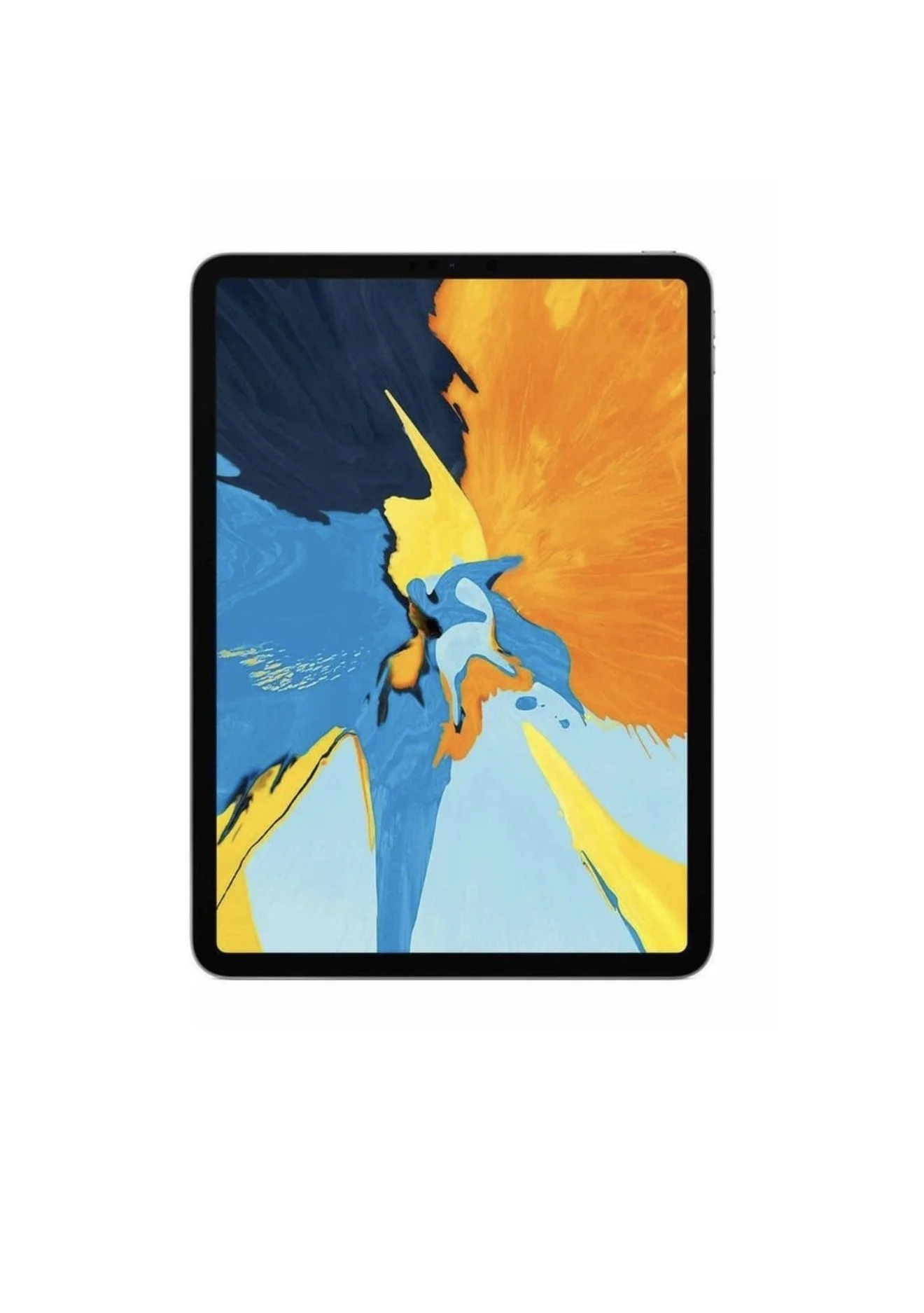 Image 2 of 3
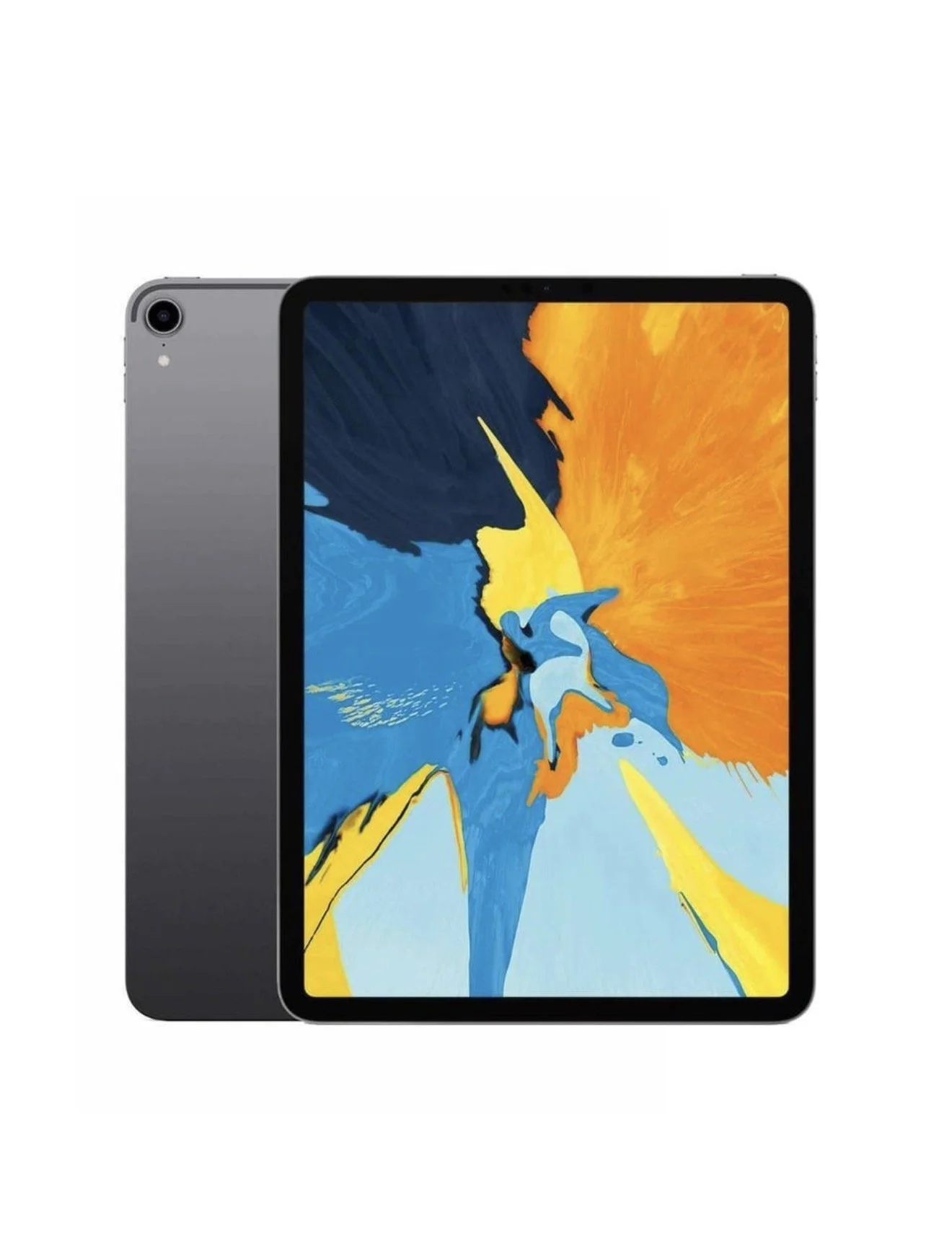 Image 3 of 3
iPad Pro (2018, A12 series)
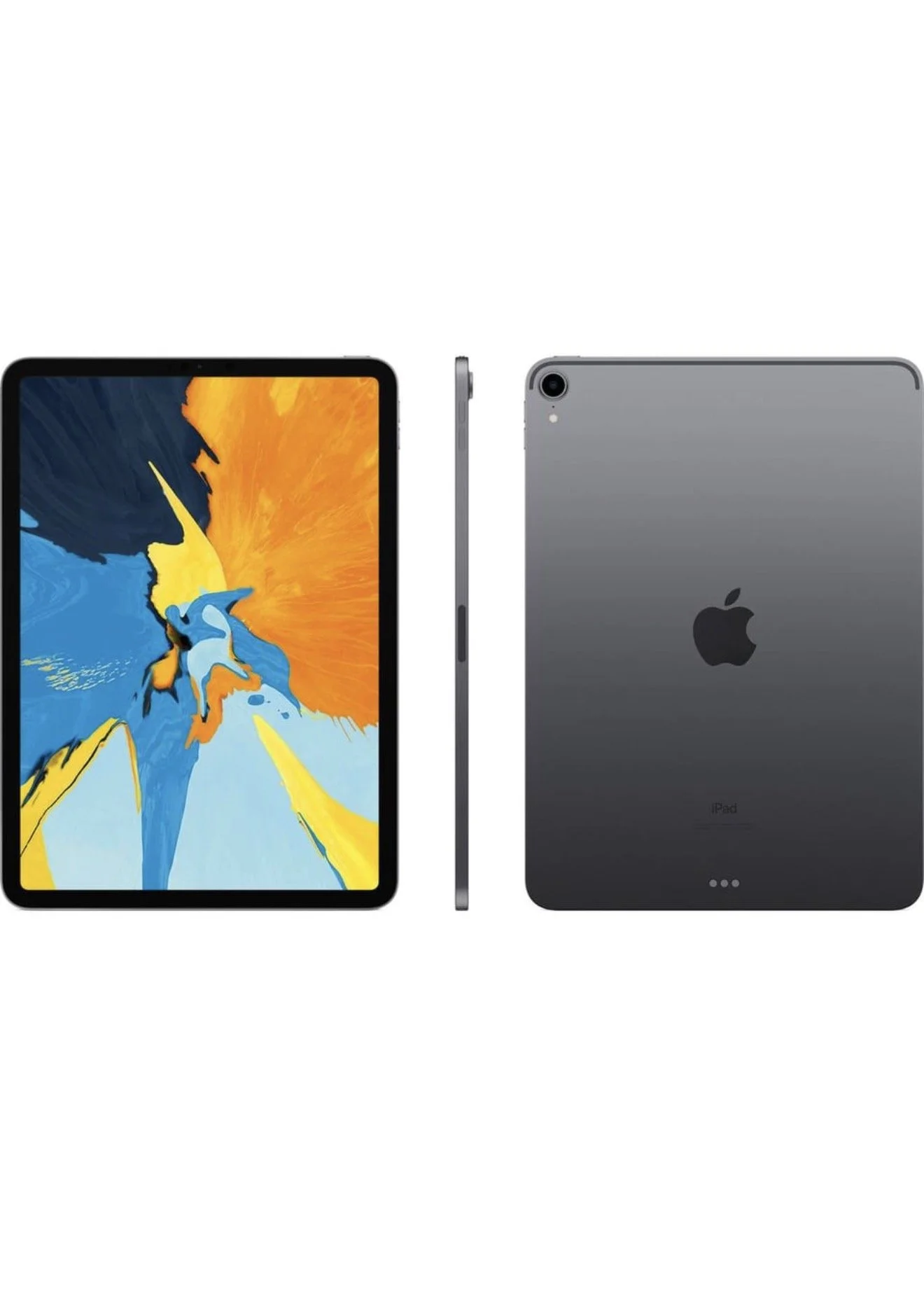
Overview The 2018 iPad Pro introduced a major redesign and the A12X/A12Z Bionic processors (commonly referred to as the A12 series in marketing and discussion). It shifted to an edge-to-edge Liquid Retina display with Face ID, removed the Home button and headphone jack, and adopted a flat-edged aluminum chassis. The line included 11-inch and 12.9-inch models and targeted creative professionals and power users.
Key specifications
SoC: A12X Bionic (2018 initial models) or A12Z Bionic (2020 refresh with active GPU core and improved thermal tuning); both are high-performance 7-nm Apple chips with an 8-core CPU and up to an 8-core GPU.
Display: Liquid Retina IPS LCD; 11.0-inch (2388 × 1668) and 12.9-inch (2732 × 2048); ProMotion 120 Hz, wide color (P3), True Tone.
Biometrics: Face ID (single-camera TrueDepth system) with support for portrait orientation and secure authentication.
Storage: Configurations ranged from 64 GB up to 1 TB (model-dependent).
RAM: 4 GB in lower-capacity A12X models; 6 GB in higher-capacity or A12Z-equipped units.
Camera: Rear 12 MP wide; later A12Z models added support for LiDAR in variant models; front 7 MP TrueDepth camera.
Connectivity: Wi‑Fi 802.11ac (with MIMO), optional LTE cellular models; Bluetooth 5.0; USB-C port for charging and peripherals (replacing Lightning).
Accessories: Apple Pencil (2nd generation) with magnetic attach and wireless charging; Smart Keyboard Folio and later Magic Keyboard support (with trackpad).
Battery: All-day battery life (Apple-rated up to 10 hours of web surfing or video playback).
Notable features and strengths
Performance: The A12X/A12Z delivered laptop-class CPU performance and strong GPU performance for demanding tasks such as 3D rendering, video editing, and multitasking with iPadOS.
Display: ProMotion 120 Hz made scrolling and stylus input feel extremely responsive; color accuracy and brightness suited creative workflows.
Apple Pencil (2nd gen): Low latency and seamless pairing/charging improved drawing, note-taking, and design work.
USB-C: Broader peripheral support (external displays, storage, cameras, audio interfaces) enabled more desktop-like workflows.
Software: iPadOS added improved multitasking, Files app enhancements, keyboard and trackpad support—progressively narrowing the gap to laptop workflows.
Limitations and considerations
iPadOS app ecosystem: Despite strong hardware, some professional desktop-class apps (full-featured versions of Final Cut Pro, Logic Pro, or x86-only software) remained absent; workflows relying on specialized desktop software may find limitations.
Port and expandability: Single USB-C port means users often need hubs or docks for multiple peripherals.
Size and weight: The 12.9-inch model is powerful but noticeably heavier than typical tablets and may be less convenient for handheld long-term use.
Repairability: Glass, display, and internal components are tightly integrated; repairs can be costly compared with some laptops.
Face ID orientation: Face ID works
iPad Pro (2018, A12 series)
Overview The 2018 iPad Pro introduced a major redesign and the A12X/A12Z Bionic processors (commonly referred to as the A12 series in marketing and discussion). It shifted to an edge-to-edge Liquid Retina display with Face ID, removed the Home button and headphone jack, and adopted a flat-edged aluminum chassis. The line included 11-inch and 12.9-inch models and targeted creative professionals and power users.
Key specifications
SoC: A12X Bionic (2018 initial models) or A12Z Bionic (2020 refresh with active GPU core and improved thermal tuning); both are high-performance 7-nm Apple chips with an 8-core CPU and up to an 8-core GPU.
Display: Liquid Retina IPS LCD; 11.0-inch (2388 × 1668) and 12.9-inch (2732 × 2048); ProMotion 120 Hz, wide color (P3), True Tone.
Biometrics: Face ID (single-camera TrueDepth system) with support for portrait orientation and secure authentication.
Storage: Configurations ranged from 64 GB up to 1 TB (model-dependent).
RAM: 4 GB in lower-capacity A12X models; 6 GB in higher-capacity or A12Z-equipped units.
Camera: Rear 12 MP wide; later A12Z models added support for LiDAR in variant models; front 7 MP TrueDepth camera.
Connectivity: Wi‑Fi 802.11ac (with MIMO), optional LTE cellular models; Bluetooth 5.0; USB-C port for charging and peripherals (replacing Lightning).
Accessories: Apple Pencil (2nd generation) with magnetic attach and wireless charging; Smart Keyboard Folio and later Magic Keyboard support (with trackpad).
Battery: All-day battery life (Apple-rated up to 10 hours of web surfing or video playback).
Notable features and strengths
Performance: The A12X/A12Z delivered laptop-class CPU performance and strong GPU performance for demanding tasks such as 3D rendering, video editing, and multitasking with iPadOS.
Display: ProMotion 120 Hz made scrolling and stylus input feel extremely responsive; color accuracy and brightness suited creative workflows.
Apple Pencil (2nd gen): Low latency and seamless pairing/charging improved drawing, note-taking, and design work.
USB-C: Broader peripheral support (external displays, storage, cameras, audio interfaces) enabled more desktop-like workflows.
Software: iPadOS added improved multitasking, Files app enhancements, keyboard and trackpad support—progressively narrowing the gap to laptop workflows.
Limitations and considerations
iPadOS app ecosystem: Despite strong hardware, some professional desktop-class apps (full-featured versions of Final Cut Pro, Logic Pro, or x86-only software) remained absent; workflows relying on specialized desktop software may find limitations.
Port and expandability: Single USB-C port means users often need hubs or docks for multiple peripherals.
Size and weight: The 12.9-inch model is powerful but noticeably heavier than typical tablets and may be less convenient for handheld long-term use.
Repairability: Glass, display, and internal components are tightly integrated; repairs can be costly compared with some laptops.
Face ID orientation: Face ID works